Svenska





No products in the cart.
Category





Chosen date and time:
Tack för din förfrågan! Vi kommer att kontakta dig så snart som möjligt och bekräfta din bokning hos oss.


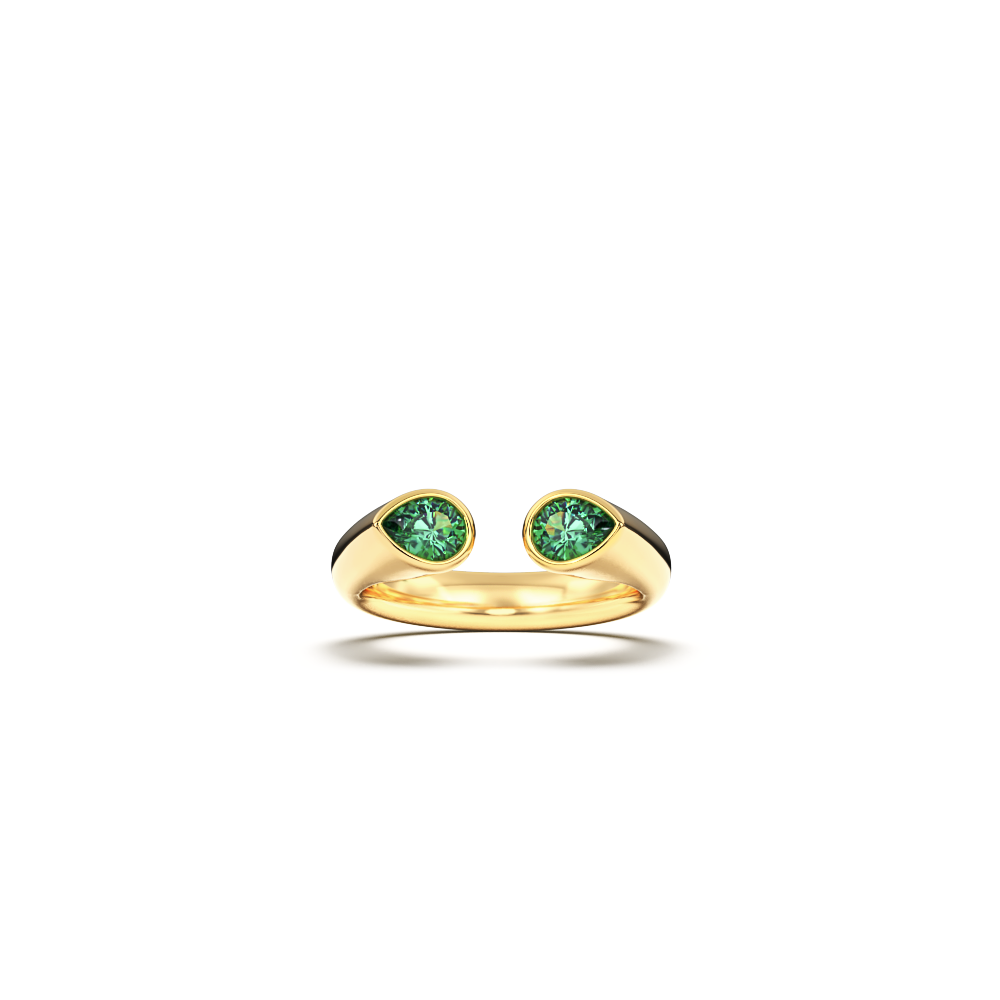
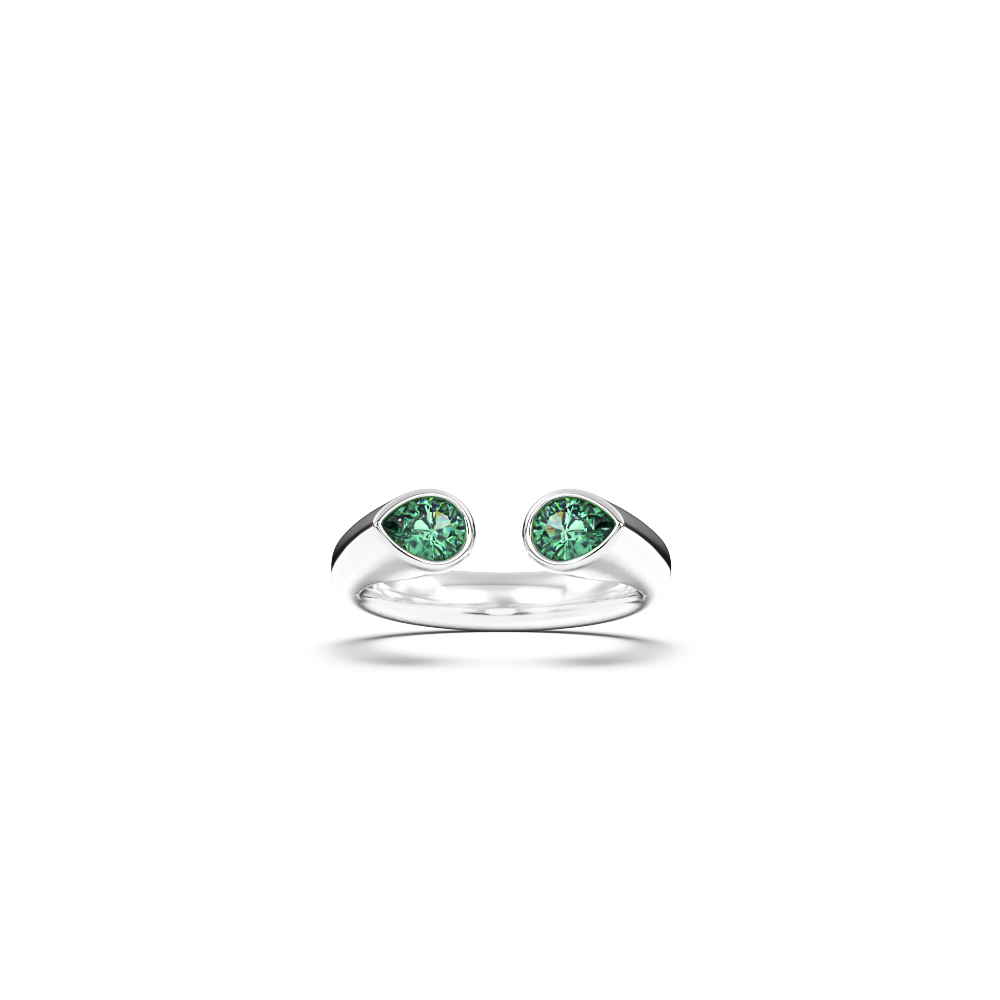
The pinky ring ‘Emma’, a yellow gold ring with two emeralds – Elegant and timeless, this emerald ring is crafted in 18k yellow gold and set with two pear shape natural emeralds totalling 0.30 carat. The softly tapered silhouette of the pear shape emeralds creates a refined and balanced expression, while the warm yellow gold band beautifully complements the rich green colour of the gemstones.
Designed as a modern toi et moi ring, the two emeralds sit side by side in perfect harmony, symbolising two individuals coming together as one. Its delicate proportions also make it an ideal pinky ring, offering an elegant yet contemporary statement. Its elegant silhouette also makes it the perfect ring to stack two of the ‘Emma’ ring with emeralds.
Crafted with a smooth 3.00 mm band and a height of 1.50 mm, the ring is designed for comfortable everyday wear. The ring with emeralds are carefully selected for their exceptional colour and natural beauty.
Discover more of our exclusive rings here.
Gemstone: Emerald
Shape: Pear shape
Carat Weight: 2 x 0.15 ct total 0.30 carat
Color: Green
Metal: 18k Yellow Gold
Width: 3.00 mm
Height: 1.50 mm
Setting: Bezel
Each emerald is unique, and natural variations in colour may occur.
What does carat mean?
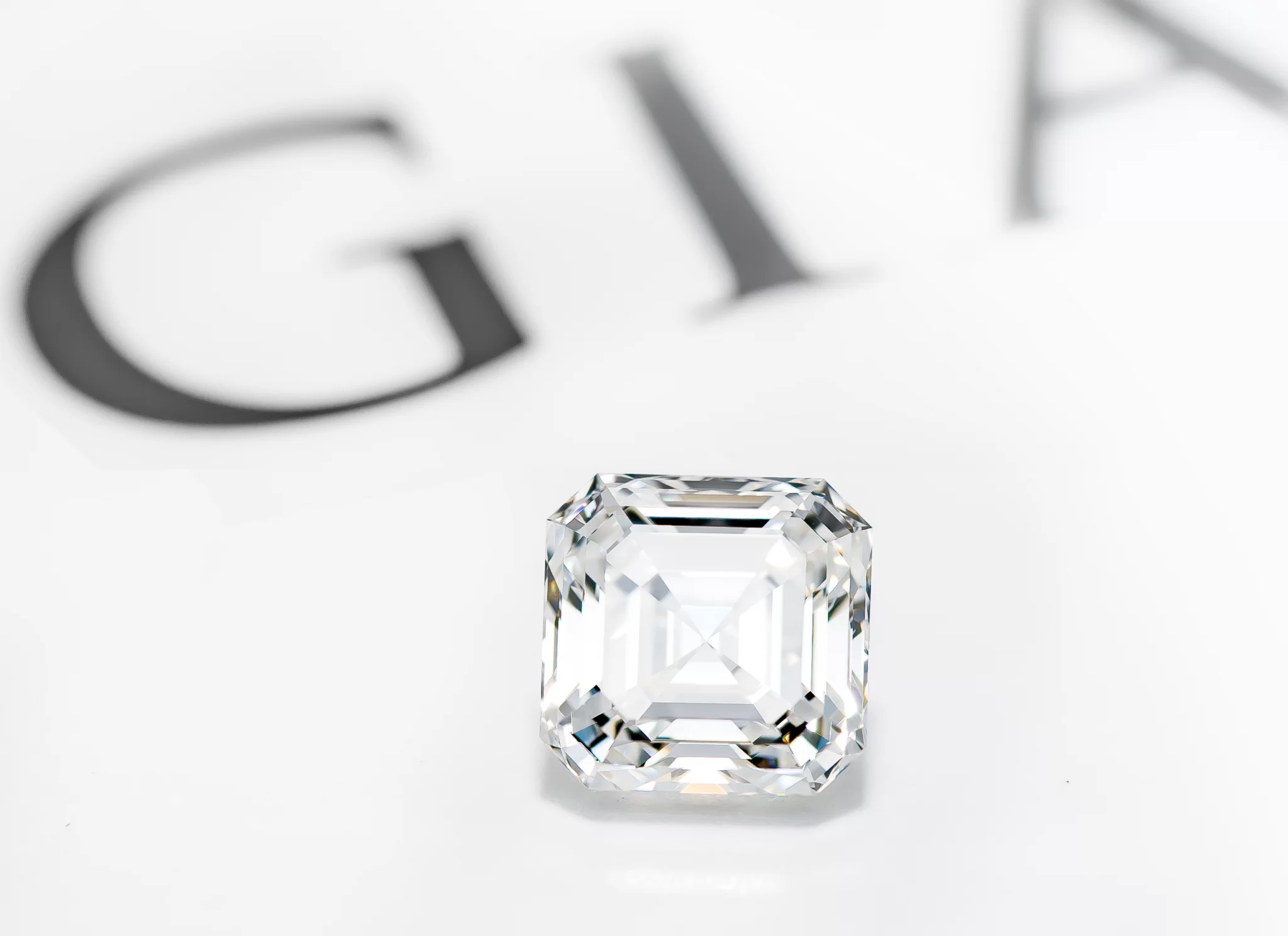
The weight of gemstones and thus diamonds is expressed in carats. A carat is divided into 100 ‘points’. The weight of stones above a carat is usually given in carats, while stones below a carat are usually given in ‘points’. The value of a diamond increases with carat weight because a larger diamond is rarer than a smaller diamond. This is why a diamond of one carat is generally more valuable than four diamonds of 0.25 carat of the same quality.

The color of the diamond
Diamonds come in all shades, but most diamonds in jewelry range from colorless to almost colorless. For a long time, the perfect diamond was considered to be completely colorless. A colorless diamond is rarer than a light yellowish diamond and is also the most sought-after color for engagement rings and jewelry. Therefore, a colorless diamond is usually more expensive than a yellowish diamond.
Keep in mind that a diamond with a slight shade of color (E and lower) can also have hints of brown or green undertones. This is not desirable and is not indicated on the certificate. Always ask your jeweler about this before making a purchase to ensure you are getting a high-quality diamond.

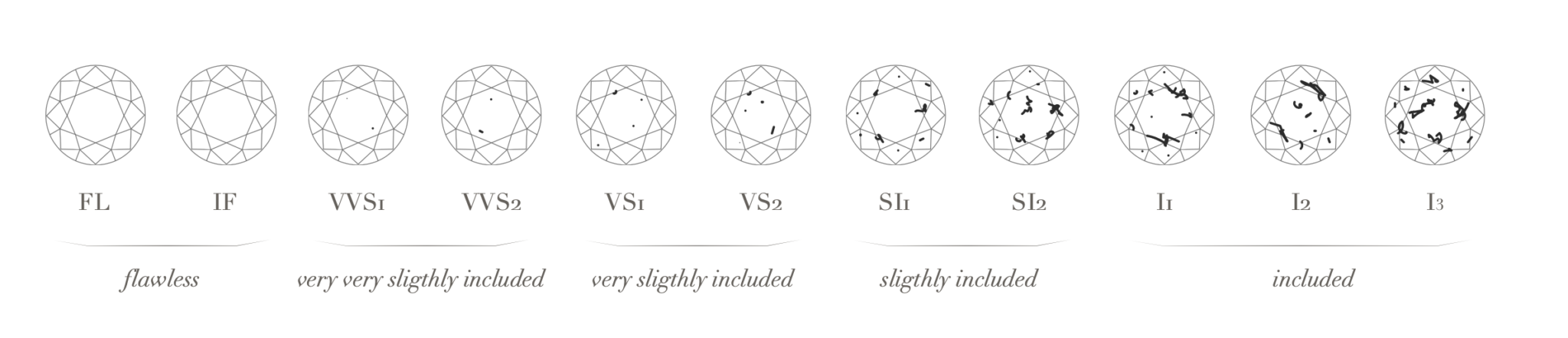
What is diamond clarity?
Diamonds usually contain internal or external inclusions, or both. Common inclusions in diamonds are uncrystallized carbon (graphite), crystals, or cleavages in the crystal. Inclusions can usually be divided into two groups: white inclusions and black inclusions. Black inclusions are typically easier to spot with the naked eye, while white inclusions can affect the strength and durability of the diamond. The certificate usually provides information about what inclusions your diamond has and where they are located.
When assessing clarity, four factors are considered: size of the enclosure, position, contrast and number of reflections. A diamond with many inclusions is naturally more delicate than a flawless diamond. The more inclusions a diamond has, the more difficult it will be for the light to bounce through the stone and reflect the desired brilliance.